Communication skills are a vital part of life in every sector. A study published hereat Business Insider indicates that communication is only second in the list of soft skills valued by employers from research done by LinkedIn. This only emphasizes the importance of understanding the changing face of communication in the world today.
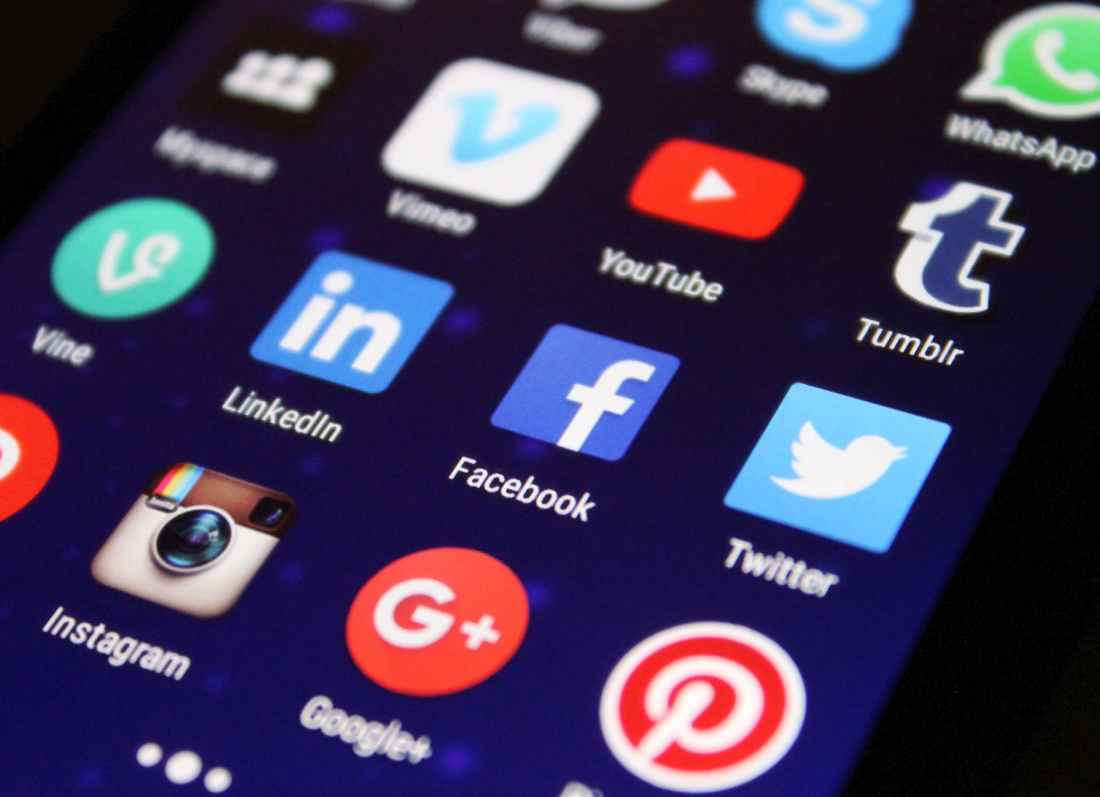
Social media has completely changed how we communicate. In a number of seconds, I can get in contact with anyone from almost anywhere in the world. People use social media to share the details of their lives, to give their opinions on certain things and to keep up with old friends. It is an incredible resource that has brought changes around the world, many of which are very beneficial. Yet, many people are quick to point out drawbacks of social media, leading to various debates.
Social media has allowed the dominant form of communication to change from verbal, face-to-face interactions to written. Organizations around the world have become avid users of platforms such as twitter; including the government of Canada. This has altered the structure of written communication to be significantly more concise than it once was. Is concise language a natural step in global communications or will it do more bad than good?

Anyone who has read George Orwell’s book 1984 may recognize the term newspeak. In the novel, the government was attempting to control the thoughts of the people by limiting their vocabulary. The intent was to make thinking rebellious thoughts impossible because people would not have the words to do so. Well there is no reason to think social media is attempting to do the same thing, is it possible that by limiting our self-expression to fewer words we may lose the richness of thought we once held? Or is this worry merely the result of overthinking itself?
The words we use are powerful. Many people spend their lives attempting to understand the complexities of language. A lot can be said about a culture based on the language they use. One example of this is the differences between the term love in English and Greek. In English, we have the word love and the word like in which to describe people we have positive feelings for, whereas in Greek there are six different words to describe various types of love, ranging from Agape (selfless love) to Philautia (love of self) and even to Eros (sexual passion) (For more on the types of love look at this article). By limiting the words we have to describe a thing, we limit the detail with which we can express that thing. Typically, the more detailed the words we have describing something are, the more important that thing is. This explains why the Inuits have multiple words for snow, describing different types of snow, because living that far north it was important to know. In English, it becomes necessary to use long sentences to describe the difference between packing snow and the fluffy snow that sometimes falls. By limiting language, we limit expression. The question at hand is whether or not social media is limiting language, and in which ways.

Search engine optimization (SEO) works by maximizing the exposure a website will receive from a certain search term. It works well, predominantly because someone searching a particular phrase is often looking for a certain thing. We have many companies, such as Edkent Media, who sell their ability to use SEO well. SEO relies on people searching for things in certain terms. I can optimize a web search for say the term Eros, but then not show up any for the term love, because I did not optimize for it. This means that SEO relies on the specificity of language to really excel. By having complex languages, we can more exactly search for what we need. The success of SEO indicates that our language is still sufficiently complex for us to express most of our needs well.
So far I have confirmed the importance of a complex language. The last point to discuss is whether or not social media threatens this complexity. One study discovered that much about the person could be discovered with a reasonable level of accuracy from what they posted on social media. The study analysis the word usage of 75,000 volunteers on Facebook, compared with a self-reported survey on them and their personality. Differences were found between age groups, genders and certain personality traits (See full study here). Another study (here) compared the rate of change in language on social media to the people groups most likely to use it. Despite the overall globalization, their study revealed that language change is still correlated to both geographical and socioeconomic factors. This factors are the same factors which have influenced language change for centuries. The article also mentions that new languages (emoticons, text-talk) have been growing out of the increasing use of social media. This represents a very quick growth of a language that has not been seen before in history.
Overall, it is clear that social media has a very major effect on the communication skills of the next generation. What is not so clear is how this effect will resound in the wider society. The world is changing so as to accept very different forms of communication than used to be possible. It may decrease the growth of verbal communication skills and will quite probably be detrimental to those skills. Yet, this does not indicate a decrease in overall communication skills. Written communication is growing more and more vital and it may very well be the way of the future. Languages are always growing and adapting, if this current adaptation is good or bad is going to be for each individual to decide.
The art of communication is the language of leadership. – James Humes
 Communication is Key